Ethnic Evidence: Increasing the visibility and value of New Zealand’s diversity

Summary

Ethnic Communities in New Zealand are growing rapidly but remain largely invisible in public sector data. This report aims to address this issue by strengthening evidence for government investment, policy development, and service delivery. It outlines three outcomes: sustainable business, access to high-quality services, and valuing diversity.

Conventional Medication Adherence and Self-Treatment Practices Among South Asian Immigrants: a qualitative study

Summary

This qualitative study explores medication adherence among New Zealand South Asians with Cardiovascular Disease risk factors. Twenty-one interviews revealed five themes, including routines, beliefs, side effects, alternative therapies, and healthcare communication. Findings stress the need for culturally tailored approaches to improve adherence and reduce CVD risk among South Asians.

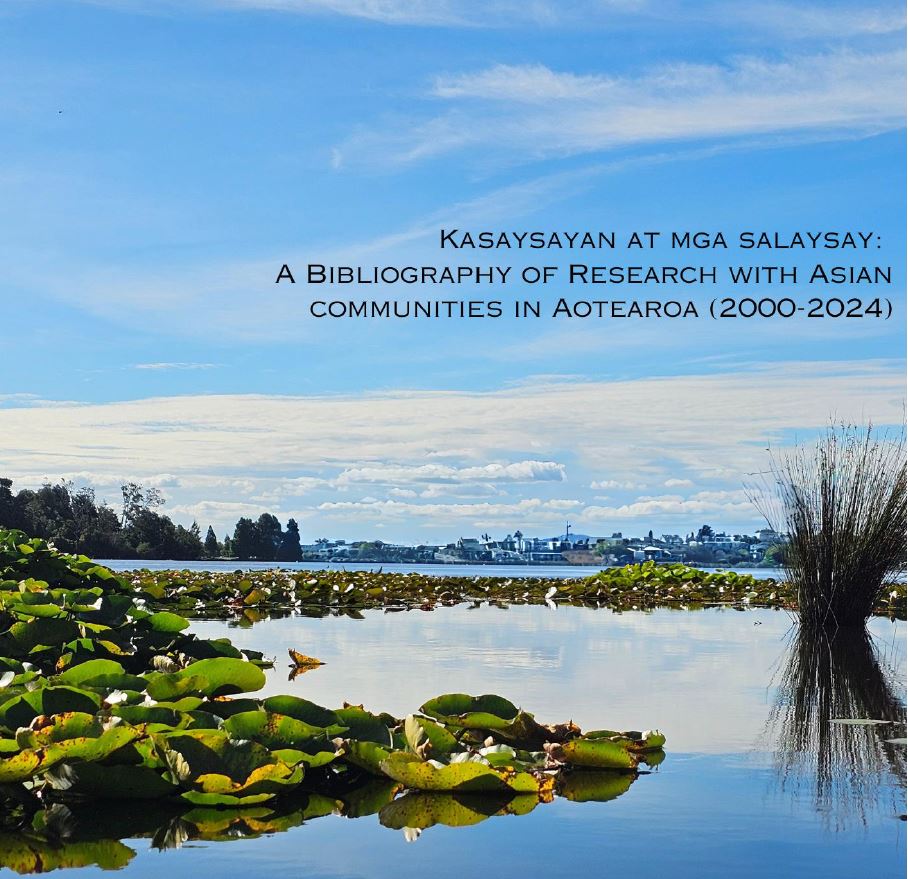
A bibliography of Research With Asian Communities in Aotearoa (2000-2024)

Summary

The bibliography is a wero (challenge) to the invisibility of Asians in research. It is a collection of pivotal contributions made by researchers advancing knowledge for Asian communities. Through a systematic search strategy, we identified a total of 576 studies on Asian communities, addressing a range of topics including health, Te Tiriti o Waitangi relationships, education, and identity.

Lived Experience of Dementia in the New Zealand Indian Community: A Qualitative Study with Family Care Givers and People Living with Dementia

Summary:

This paper reports findings from an in-depth understanding of the lived experiences of dementia in Indian communities in New Zealand. Dementia is a growing health concern in these communities, and the findings of this study will help inform better-tailored services for individuals and families living with dementia.

SYSTEMIC RACISM AND OPPRESSION IN PSYCHOLOGY: VOICES FROM PSYCHOLOGISTS, ACADEMIC STAFF, AND STUDENTS

Summary

The WERO team launched a report in September 2024 that presented findings from the Kia Whakapapa Pounamu Survey, which included psychologists, students, and academic staff in psychology (n = 293). The report highlighted high levels of racism faced by Māori, Pacific, and Asian people in psychology.

An Ecological Analysis of Hope Amongst Asian Rainbow Young People in Aotearoa New Zealand

217 Asian rainbow youth left comments in the Identify survey about their hopes for Aotearoa. The research team unpacked these categories of hope using a socio-ecological framework at the macro, exo, and meso levels.

POSITION PAPER: ONLINEGAMBLING – PARTNERING TO MAXIMISE CONSUMER PROTECTION ANDMINIMISE GAMBLING HARM

In Aotearoa New Zealand, the only authorised providers of online gambling are the Lotteries Commission (Lotto) and TAB New Zealand (TAB), while offshore online gambling is unregulated. However, it is not illegal for New Zealanders to gamble on offshore online gambling websites.

We lack essential record-keeping and research on how many people are gambling on overseas websites and how much is lost to offshore online gambling. This means we do not fully understand the scope and reach of offshore online gambling in Aotearoa. The2020 Health and Lifestyles Survey (HLS) estimates over one million New Zealanders gamble online, of which around 105,000 people gamble on overseas websites. This was an increase from 7,000 people who were estimated to be gambling offshore in the 2010HLS. Recent industry estimates suggest that $415 million was lost by New Zealanders in 2022. By 2033, losses from offshore online gambling are expected to increase to between $650 and $900 million (2). Transactional data from banks also indicates the number of people gambling on overseas sites continues to grow and many banks are offering gambling account blocks to support customers.

With Your Mind at Peace, Everything is Fixed

Given the vast range of salutogenic effects of mindfulness, the current study sought to quantitively and qualitatively evaluate the effectiveness of a trauma informed and Te Ao Māori enriched adaptation of MBSR, the ‘Aotearoa Mindfulness and Awareness’, delivered virtually in Hindi (i.e., the ‘H–AMA’) to a South Asian cohort (N = 28) in Auckland, New Zealand.

Asian health in Aotearoa New Zealand: Highlights and Actionable Insights

This editorial aims to highlight the health status for both children and adults, focusing on health indicators with worrying trends, and provides actionable insights for a way forwards in addressing and improving Asian health in Aotearoa New Zealand.

Who is Out There? Mapping Language Organisations in Aotearoa

Report by:
Languages Alliance Aotearoa NZ and Te Hononga Akoranga COMET

Aotearoa New Zealand is a multilingual country with over 170 languages spoken and up to 20% of the population aged 5 years and over able to speak more than one language. This rich language diversity is an invaluable resource for individuals, families, communities, and our nation, contributing significantly to social, cultural, spiritual, and economic wellbeing.

This report aims to explore, map out, describe and celebrate the language sector in Aotearoa New Zealand; its depth and breadth, the range of services and languages supported, and how language organisations fund themselves. It then reflects on what this all means for the long-term health of our nation’s many languages and their contribution to the nation’s overall wellbeing.

Link to the full report
https://cometauckland.org.nz/assets/files/LAANZ-COMET-Languages-Report-2024-WEB.pdf
You can also buy a hard copy of the report! Proceeds will support Language Alliance NZ in funding future projects.

Visit the Languages Alliance Aotearoa NZ website.
https://cometauckland.org.nz/our-campaigns/current-campaigns/languages-alliance-aotearoa-nz